Planning flatbed hire in Luton
Open-bed vehicles earn their keep when a load is long, awkward or heavy enough that a box van would make it harder to handle. Folding sides let you load from the side by hand or forklift, and there is no roof to limit tall items. Those advantages only hold if the allocated vehicle can carry the weight, your licence covers it, and the unloading point has room to work safely.
This guide is for householders on garden or renovation projects, tradespeople moving materials from merchant to site, and businesses needing occasional open-bed capacity in Luton. It follows a typical job: a measured collection of materials on Dallow Road, a drive across town and a controlled drop at a receiving site. Along the way it covers what to ask the hire supplier, what to measure yourself and what to check on the day.
Matching the deck to the job
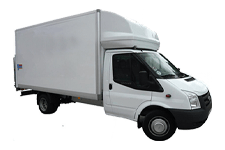
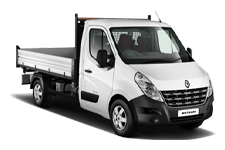
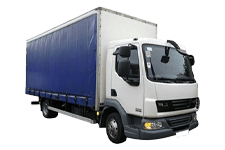
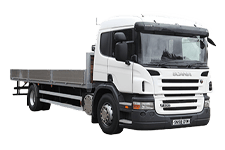
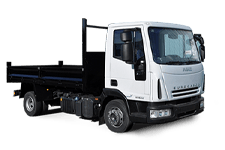
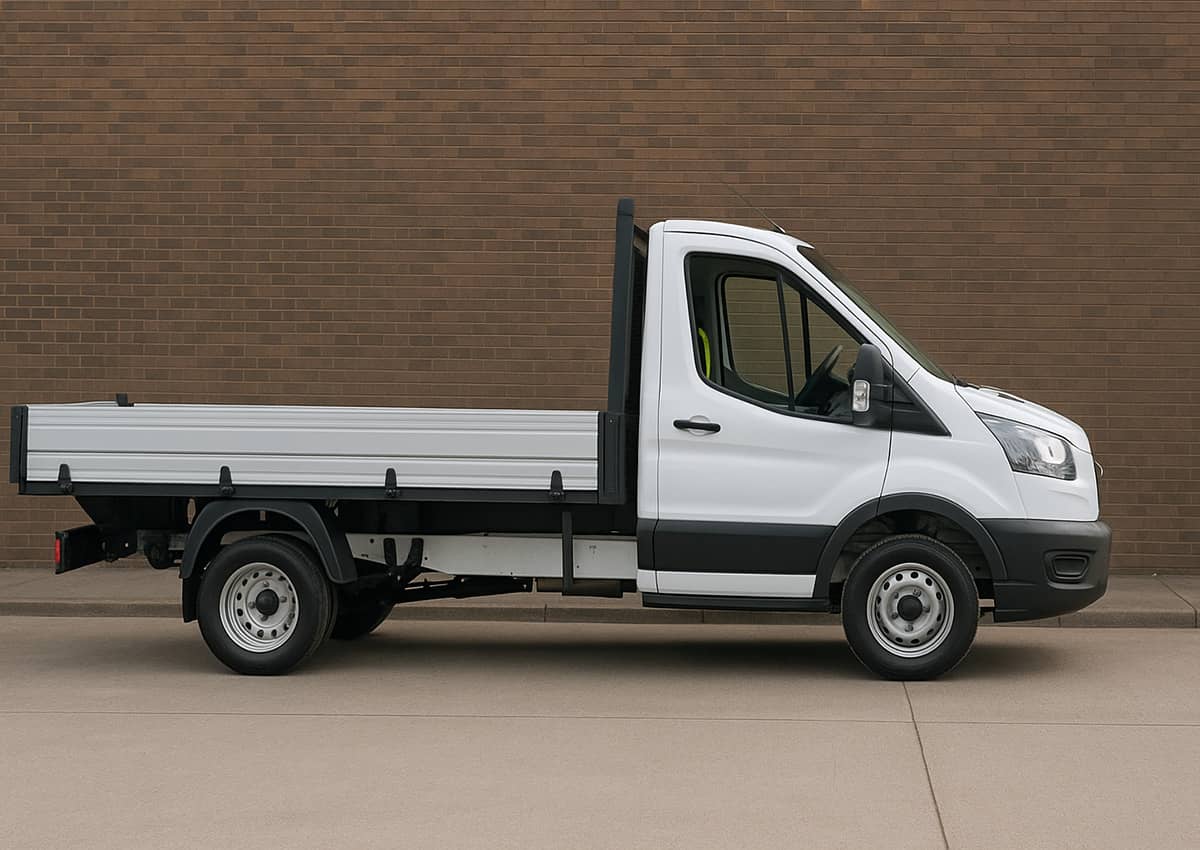
The 3 metre dropside is the usual starting point for fencing panels, sheet materials, bagged products and small plant. It sits in the 3.5 tonne gross weight class, so many car licence holders can consider it, and it fits driveways and narrow site gates more easily than a lorry. The 4 metre version adds deck length for timber, pipe and landscaping materials, and is worth choosing when your longest item is close to three metres rather than comfortably under it.
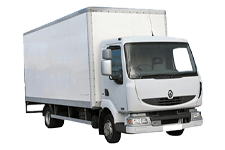
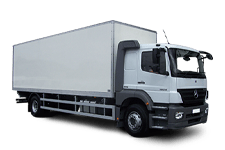
A dropside with a tail lift suits palletised or wheeled goods heading somewhere without a loading dock or forklift. The 7.5 tonne dropside lorry offers a deck of around six metres and space for several pallets, but brings a different licence requirement, a wider turning circle and a bigger footprint at the drop. Treat every published size as a representative category and ask for the dimensions and payload of the actual vehicle you will collect.
Sources: Nationwide Hire UK: 3 metre dropside, Nationwide Hire UK: 4 metre dropside, Nationwide Hire UK: dropside with tail lift, Nationwide Hire UK: 7.5 tonne dropside
Payload, deck length and lift rating are separate numbers
Maximum authorised mass, often called gross vehicle weight, is the most the loaded vehicle may weigh, and it is normally shown on the plate or sticker. Payload is what remains once the vehicle itself, fuel, driver and passengers are accounted for. Pallets, packaging and your own tools use part of it too, and fitted equipment such as a tail lift reduces it further.
Deck length tells you whether items fit, not whether the vehicle can carry them; a full deck of blocks or wet timber can exceed payload long before space runs out. A tail lift has its own rating, which may be lower than the weight of a single heavy pallet. Ask for all three figures, add up packed weights from the merchant's paperwork and use a weighbridge if you are unsure. After a partial drop, check the remaining load is still spread sensibly across the axles.
Sources: GOV.UK: vehicle weights explained, DVSA: HGV overloading basics, Nationwide Hire UK: dropside with tail lift
Licence entitlement at 3.5 and 7.5 tonnes
A standard car licence with category B generally covers vehicles up to 3.5 tonnes maximum authorised mass. Between 3.5 and 7.5 tonnes you normally need category C1, which many newer car licences do not include. Check the categories shown on each driver's current licence rather than assuming anyone in the team can drive the larger vehicle.
The figure that decides entitlement is the plated maximum of the vehicle you are allocated, not the weight of what you are carrying, so a 7.5 tonne dropside with a light load still needs C1. Hire providers may add age, experience or commercial-use conditions of their own; confirm eligibility for every named driver well before the day.
Sources: GOV.UK: driving licence categories, Nationwide Hire UK: 7.5 tonne dropside
A measured collection on Dallow Road
Jewson lists its Luton address as 226 Dallow Road, LU1 1YB. An address tells you where to go, not how vehicles enter, where you will be loaded or whether your order is ready. Before booking the hire, ask the merchant for packed weights and dimensions for each line on the order, how items will be loaded, and whether an open-bed vehicle of your chosen size can be positioned for side access.
Measure the longest piece yourself where possible and compare it with the allocated deck rather than a brochure figure. Confirm whether rated straps come with the vehicle or bring your own. Line up the merchant's collection time with your hire start so the vehicle is not standing idle, and leave a margin for the return.
Sources: Jewson: Luton address
Bus lanes and junction works on the way
Luton Council enforces bus lanes using an approved CCTV system. A hired dropside or lorry is treated like any other vehicle unless a sign says otherwise, so read the hours and permitted vehicles on each sign as you approach the merchant or site, and do not let sat-nav steer you into a lane you may not use.
In June 2026 the council announced a 16-week improvement scheme at the Hatters Way and Chaul End Lane roundabout, including changes to the bus lay-by on Dallow Road. That announcement is dated and does not describe the road today. Check current roadworks information before fixing a collection time, and ask the merchant whether any temporary layout affects larger vehicles reaching them.
Sources: Luton Council: bus lane enforcement, Luton Council: June 2026 junction announcement
Restraint and side loading
A load that feels heavy enough to stay put will still move under braking. DVSA guidance says the securing system must suit both the load and the vehicle, and that weight or friction alone cannot be relied on. Before loading, inspect the deck, drop sides and headboard, and locate the proper anchorage points; rope and sheeting hooks are not restraint points.
Place heavy items low and against the headboard, spread weight across the axles and keep sides closed and latched while driving. Use straps rated for the job and in good condition, adding friction matting or chocks where items could slide or roll. If timber or pipe will project past the rear or sides, measure the overhang and check the official marking and notice rules for that length. Keep people clear of a side as it is lowered.
Sources: DVSA: securing loads on HGVs and goods vehicles, DVSA: load securing basics, DVSA: ways to secure a load, DVSA and DfT: overhanging loads on vehicles
Unloading at a managed receiving site
The destination matters as much as the collection. HSE workplace transport guidance says loading areas should be clear and level, vehicles should stand as stably as possible, and unloading should be planned with arrangements agreed in advance. For a site, yard or business address, that means talking to whoever controls it before you travel.
Agree in writing where you will stop, who will guide you in, what lifting equipment is available and who is authorised to use it. At a home address, check parking restrictions, drive width and whether the ground will take a pallet truck. Before releasing any strap, look at how the load has settled, because items shifted in transit can fall when a side drops. Then sweep the deck and plan to return on time.
Sources: HSE: safe loading and unloading
Benefits of self-drive and the conditions attached
Self-drive open-bed hire gives you control over timing and route, and lets you combine a merchant run with site drops rather than waiting for separate delivery slots. The trade-off is responsibility: the driver answers for the load, its weight and the route, and the supplier's terms set damage, fuel, mileage and deposit arrangements.
Read your confirmed booking terms rather than a general web page, and ask what happens if the vehicle comes back late, dirty or overloaded. Check that insurance covers your intended use and names every driver, and whether straps or a sack truck are included. Photograph the vehicle at collection and return, and keep fuel and weighbridge receipts.
Sources: Third-party reference: Nationwide Hire UK terms and conditions